From 1980 to the mid-1990s, the Golden 8 Ball was the largest pool hall in the United States—a 24-hour, 40-table proving ground in Phoenix where legends walked in, road players got stuck, and the action never stopped.
This site is a preservation project. It began in 2024 with a simple question put to David Lee—whether any memorabilia from the Golden 8 Ball still existed. The answer was no. Decades of photographs, tournament brackets, and press had been lent out over the years and never came back. The physical record of the largest pool hall in the United States had simply disappeared.
Everything here has been rebuilt from community memory, public records, and the recollections of people who were in the room. That makes this an ongoing effort rather than a finished account— and it means the corrections, photographs, and stories people bring are not a footnote to the work. They are the work.
It started at roughly 8,000 square feet near Indian School and Grand. By 1986 it had grown to 16,800 square feet at 2740 West Indian School Road—forty Brunswick Gold Crown tables lined up under fluorescent light, plus snooker and carom for the purists. Staff wore tuxedo shirts. There was a full kitchen, a pro shop, and a bar. The doors never locked. Twenty-four hours a day, seven days a week, all ages welcome.
"One of the best pool halls around… big room, nice bar, tons of 9-foot Gold Crowns."
The Action
Road Players Who Couldn't Afford to Leave
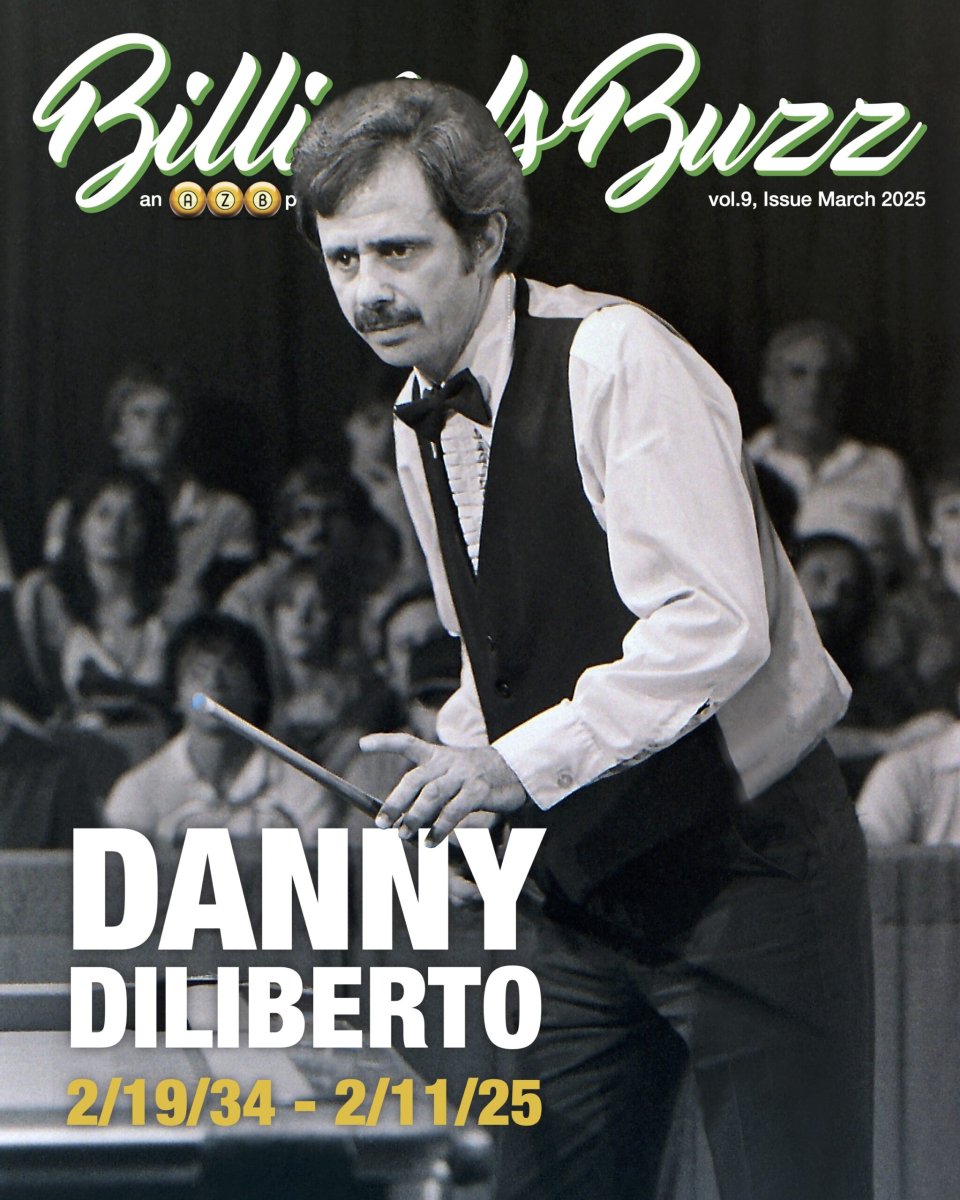
Danny DiLiberto—BCA Hall of Famer, road player since the 1950s—was house pro and co-builder of what the Golden 8 Ball became. The action he attracted was relentless. Road players drifted in from every direction and some of them never left, broke and looking for one more set. In 1989 the room hosted the Golden 8-Ball Invitational, a nationally recognized tournament won by Nick Varner.
"The action was insane… all the time."
The People
Legends, Locals, and Everyone In Between
David Lee built the room when he was 27 years old. Tres Kane cut his teeth on those tables. Doug "Dapper" Hale held court and took all comers. Ronnie Allen, Earthquake McCready, and CJ Wiley passed through on their way to somewhere else—or stayed because the money was too good.
"It was THE spot back in the '80s–'90s if you played pool."
40tables
16,800square feet
24hours a day
Timeline
Four Decades of History
"A 24-hour pool bar that allowed all ages could only exist in that time."
c. 1980 — David Lee opens the Golden 8 Ball near Indian School Road and Grand Avenue, Phoenix. He is 27 years old.
Mid-1980s — Danny DiLiberto arrives as house pro. Together he and Lee shape the room into a destination for serious players and high-stakes action.
1986 — Expansion to 2740 West Indian School Road. Forty tables, 16,800 square feet. The largest pool hall in the United States.
Late 1980s–early 1990s — Peak years. The 1989 Golden 8-Ball Invitational draws national talent. Nick Varner takes the title.
Mid-1990s — The Golden 8 Ball closes. The era of the great American poolroom is fading.
2024 — David Lee inducted into the Arizona Billiard Hall of Fame, honoring his lifetime contribution to the game.
The Founder
David Lee
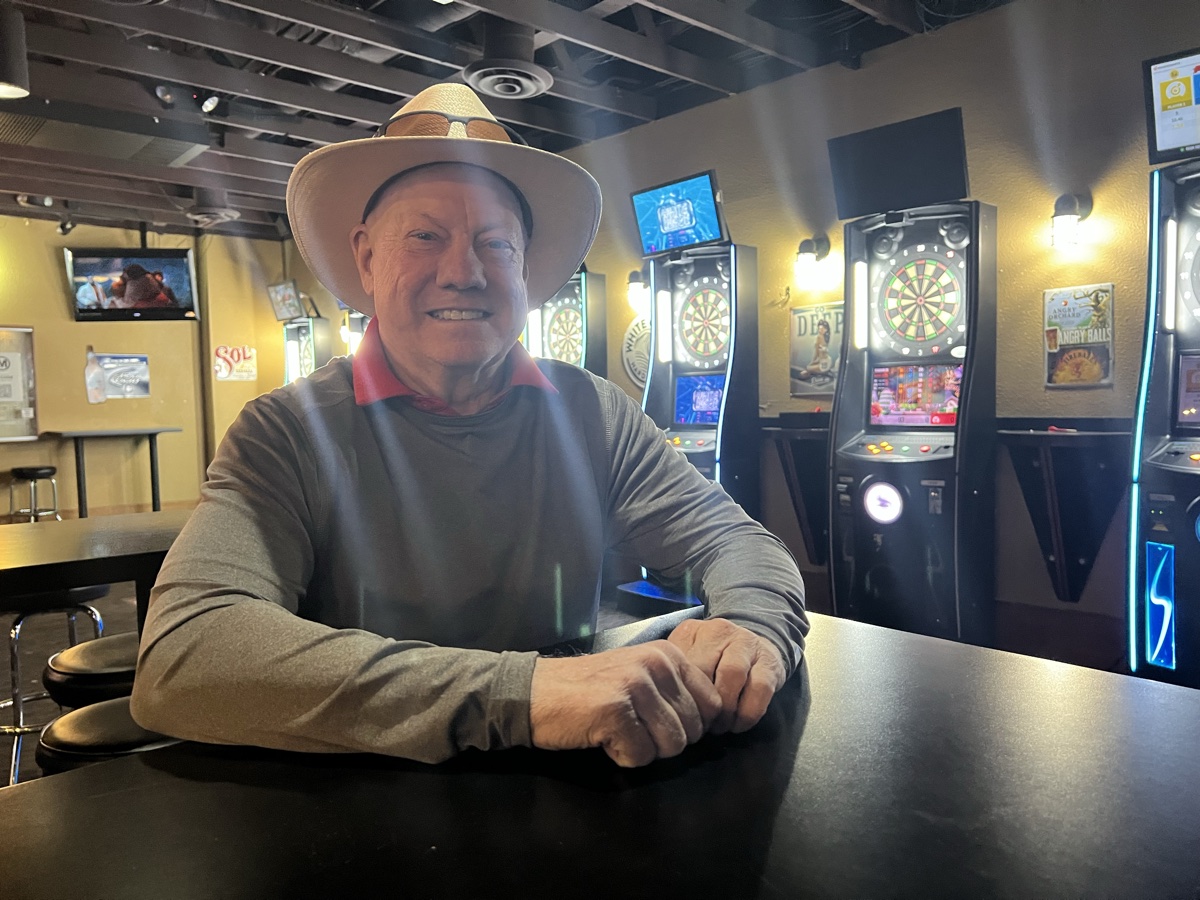
David Lee was 27 when he opened the Golden 8 Ball. He built it with Danny DiLiberto into the biggest poolroom in America—forty tables, open around the clock, a place where road players and locals and hustlers and champions all shared the same cloth. In 2024 he was inducted into the Arizona Billiard Hall of Fame. Today he is the General Manager of Metro Sportz Bar, carrying the legacy forward.
David Lee at Metro Sportz Bar & Billiards, Phoenix, 2024. Photo by Alan T Miller.
"Many a road player came through… but they became residents because they couldn't afford to leave."
— David Lee
In Memoriam
Danny DiLiberto
Born in 1935 in Buffalo, New York. Road player, champion, teacher. Danny was instrumental in building the Golden 8 Ball alongside David Lee—his eye for talent and appetite for action turned a Phoenix pool hall into a national landmark. He was inducted into the BCA Hall of Fame in 2011. Danny died on February 11, 2025. The room is quieter without him.
David Lee lost his memorabilia collection—decades of photographs, tournament brackets, newspaper clippings, gone. Everything on this site has been recovered from community memory. If you shot pool at the Golden 8 Ball, knew someone who did, or have anything from that era, we need your help. Photos, stories, memorabilia, corrections—all of it matters.
Post them to the project page on Facebook or tag #Golden8BallLegacy — sharing there means the next person searching for this room finds your story too.